
Letter8 min read
The Speed Limit
Your skin carries a sensor whose only job is slowness — plus the two-minute hamstring release, taken at the tempo it prefers.
The Journal
Field notes from the practice of recovery: how the body responds, why the material matters, and what consistency actually looks like.
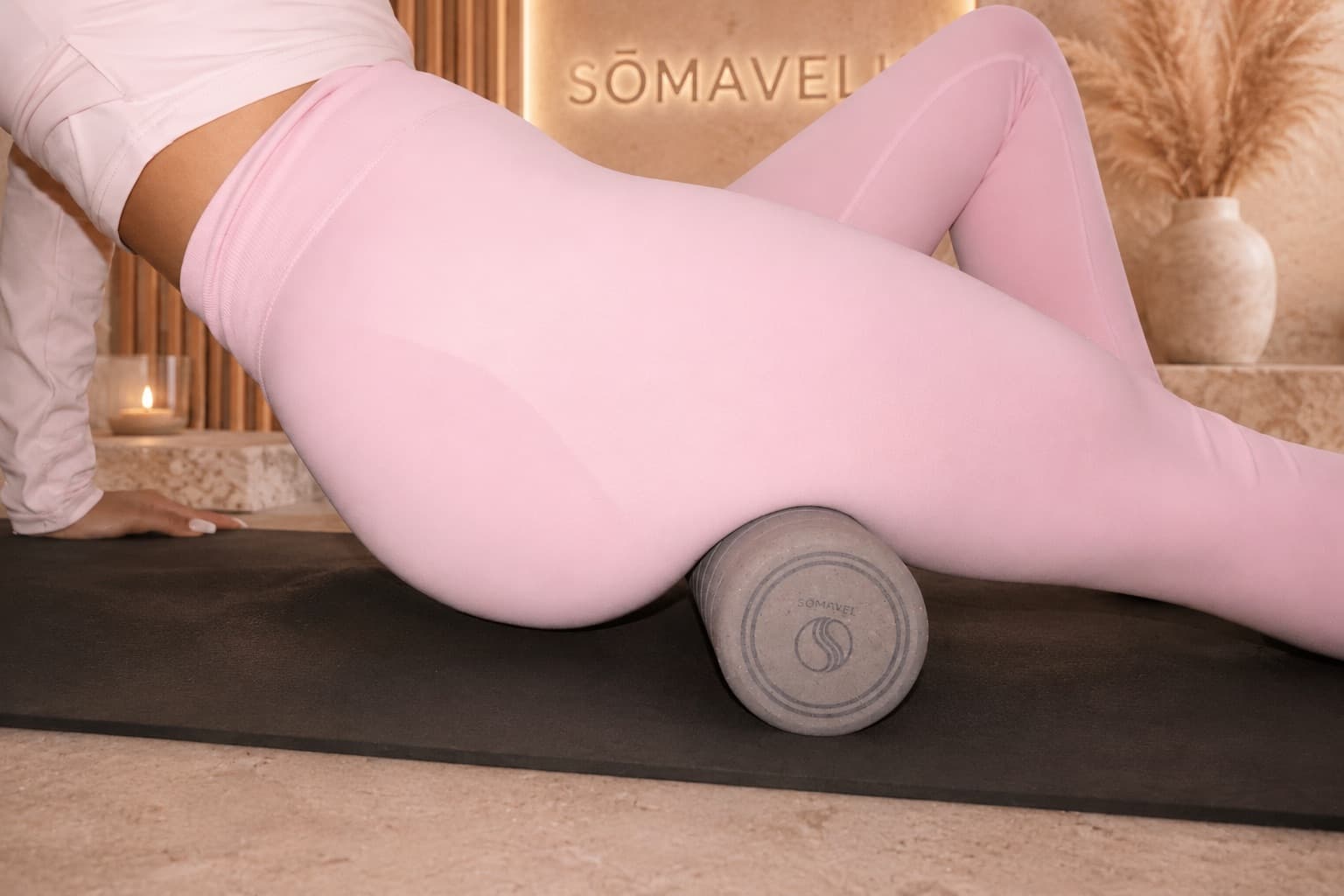
What actually happens in your muscles when you roll, and why consistency matters more than pressure.
Read the essay
Your skin carries a sensor whose only job is slowness — plus the two-minute hamstring release, taken at the tempo it prefers.

Twenty-two hours, one number, and the word cork gave biology by accident.

The back of you is one continuous sheet of tissue. The front of you is not — plus the ninety-second foot release at the far end of that line.

A sense was named in 1906 and then left alone for a century — plus the two-minute thoracic release that gives your breath its room back.
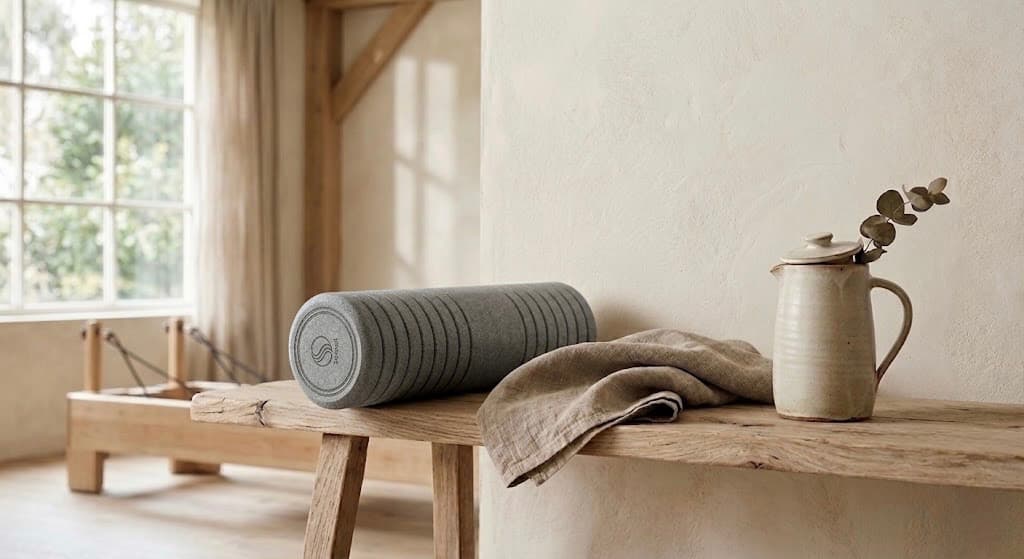
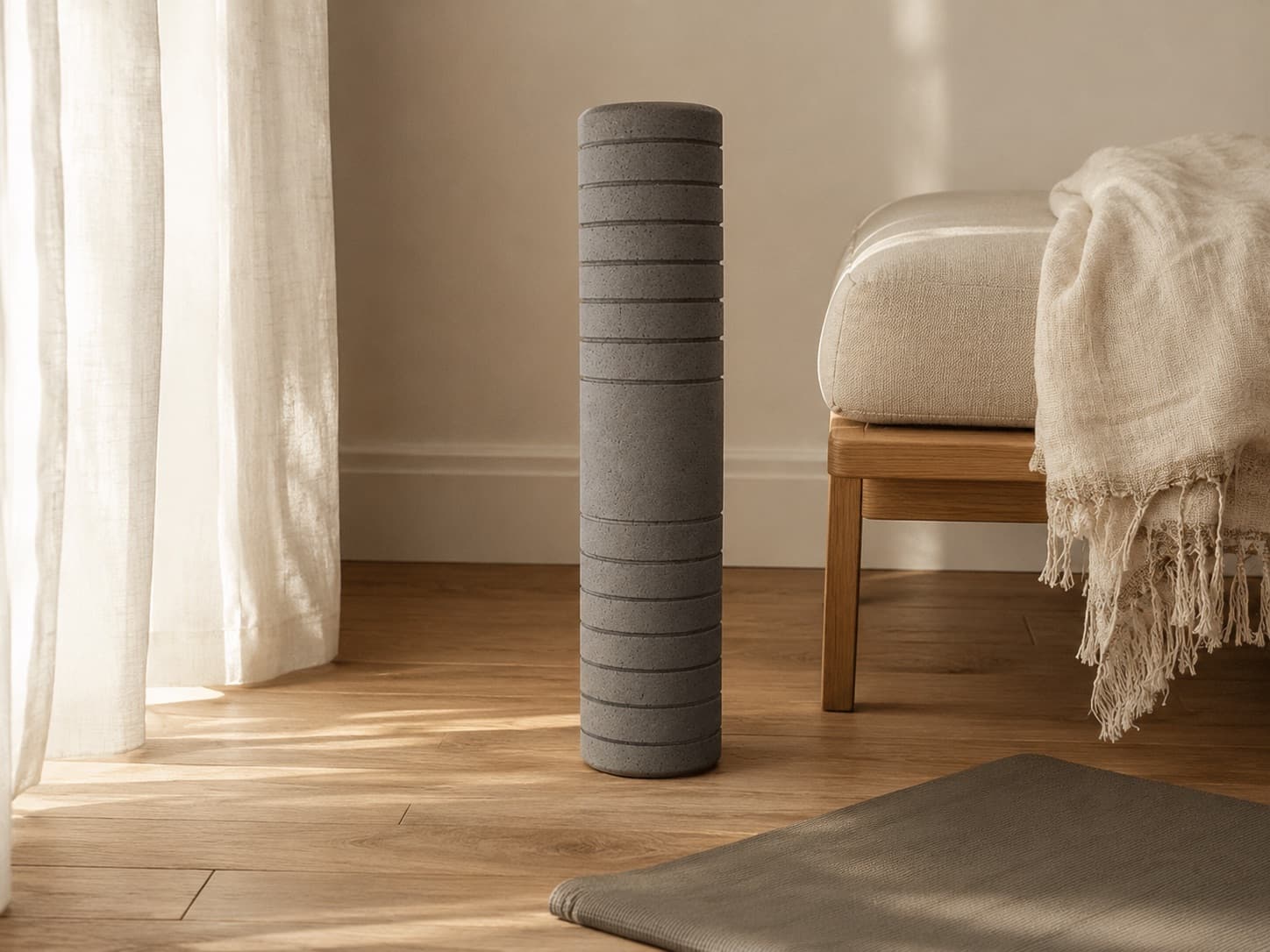
The cork in your hands took 43 years to become what it is — plus the calf release technique your lower body has been waiting for.
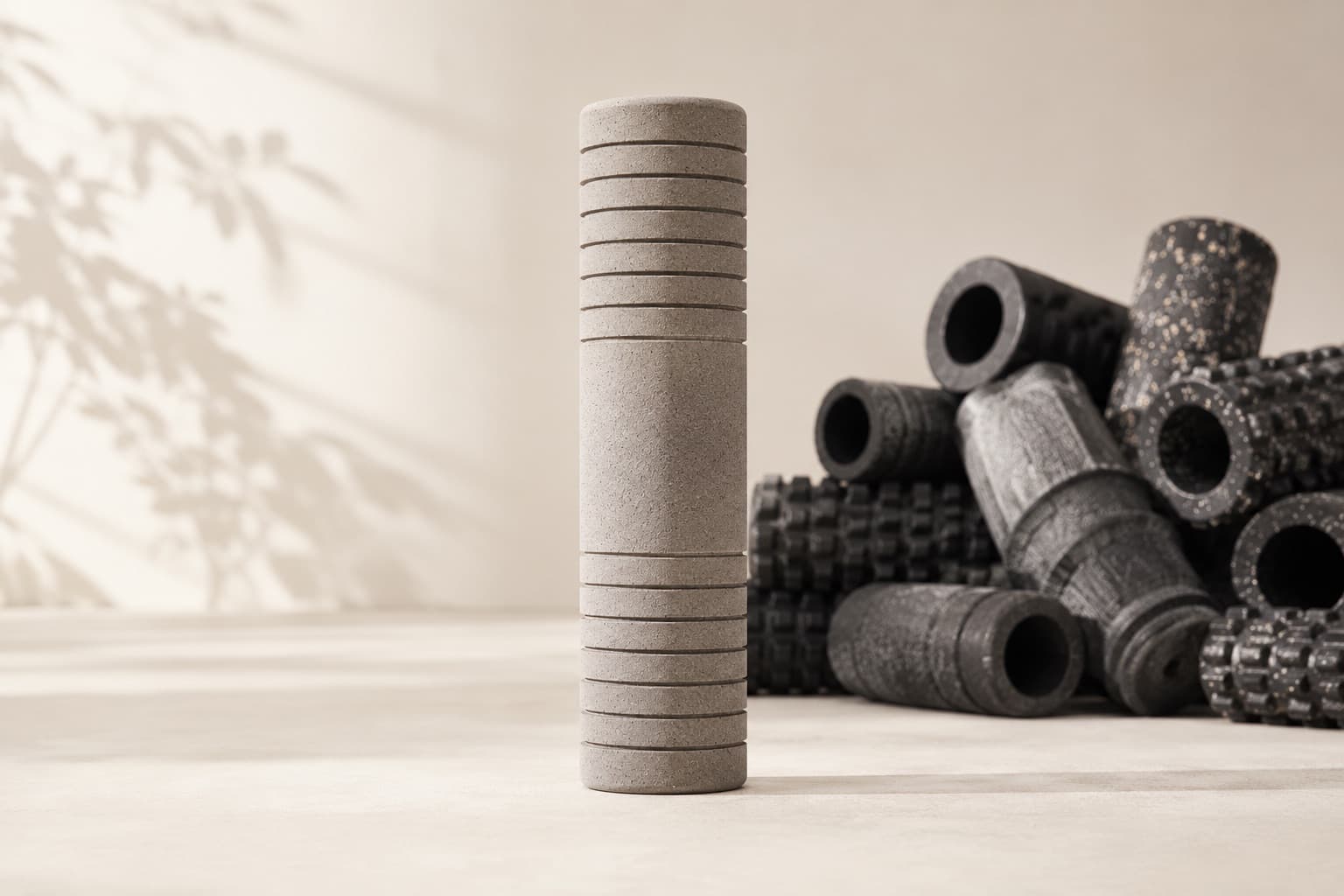
A direct comparison of cork and foam as recovery surfaces — density, durability, hygiene, and how each one feels under sustained use.

A realistic recovery routine you can maintain, even on busy weeks.

Why cork outperforms foam, rubber, and plastic for recovery, backed by material science.

How paying attention during recovery changes what you get out of it.
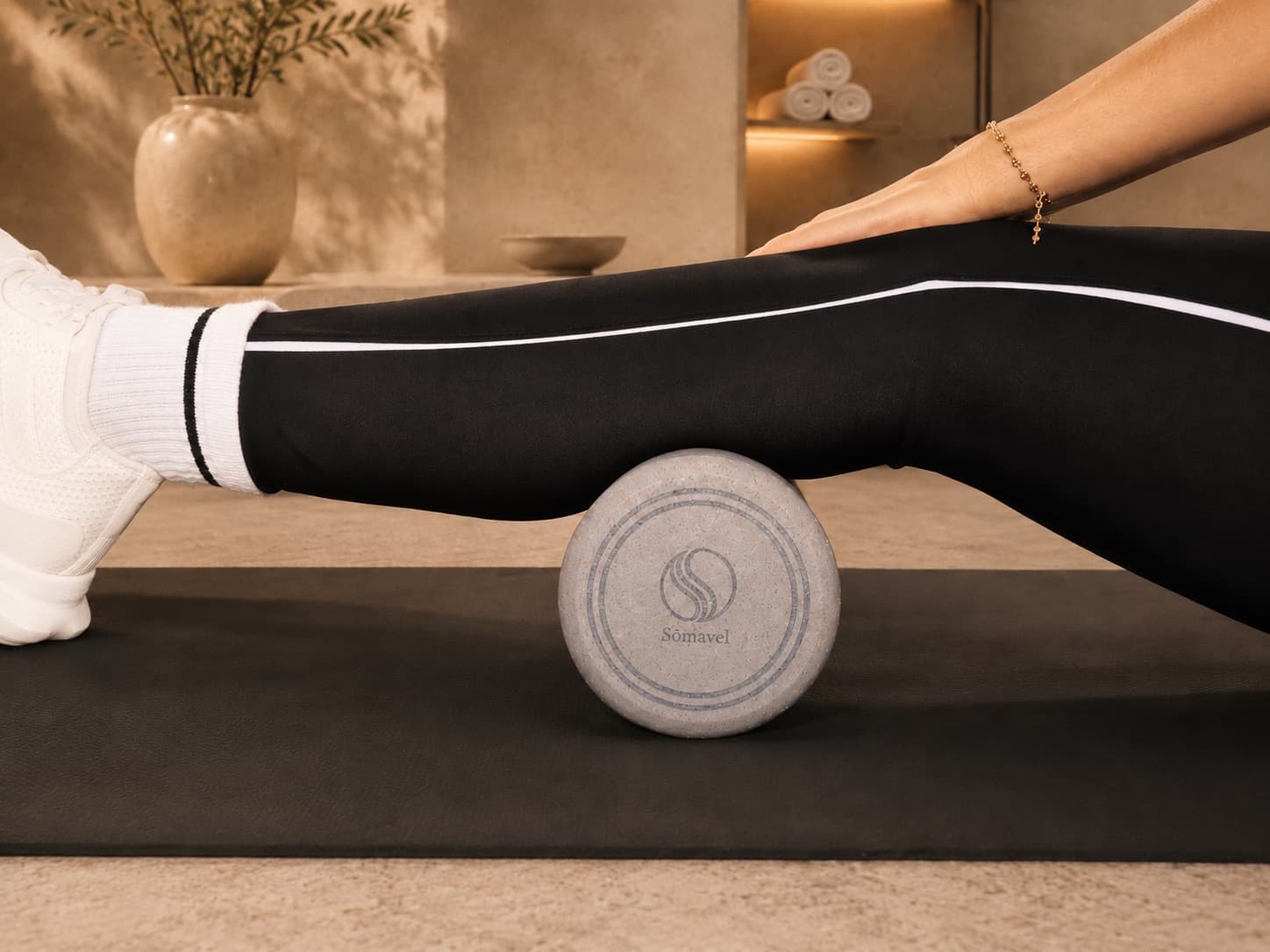
What serious athletes actually do between sessions, and why the recovery period is where adaptation happens.
The case for doing less, and why rest is the most underrated part of training.