Philosophy
The Art of Slowing Down
The case for doing less, and why rest is the most underrated part of training.
Sōmavel Editorial5 min read
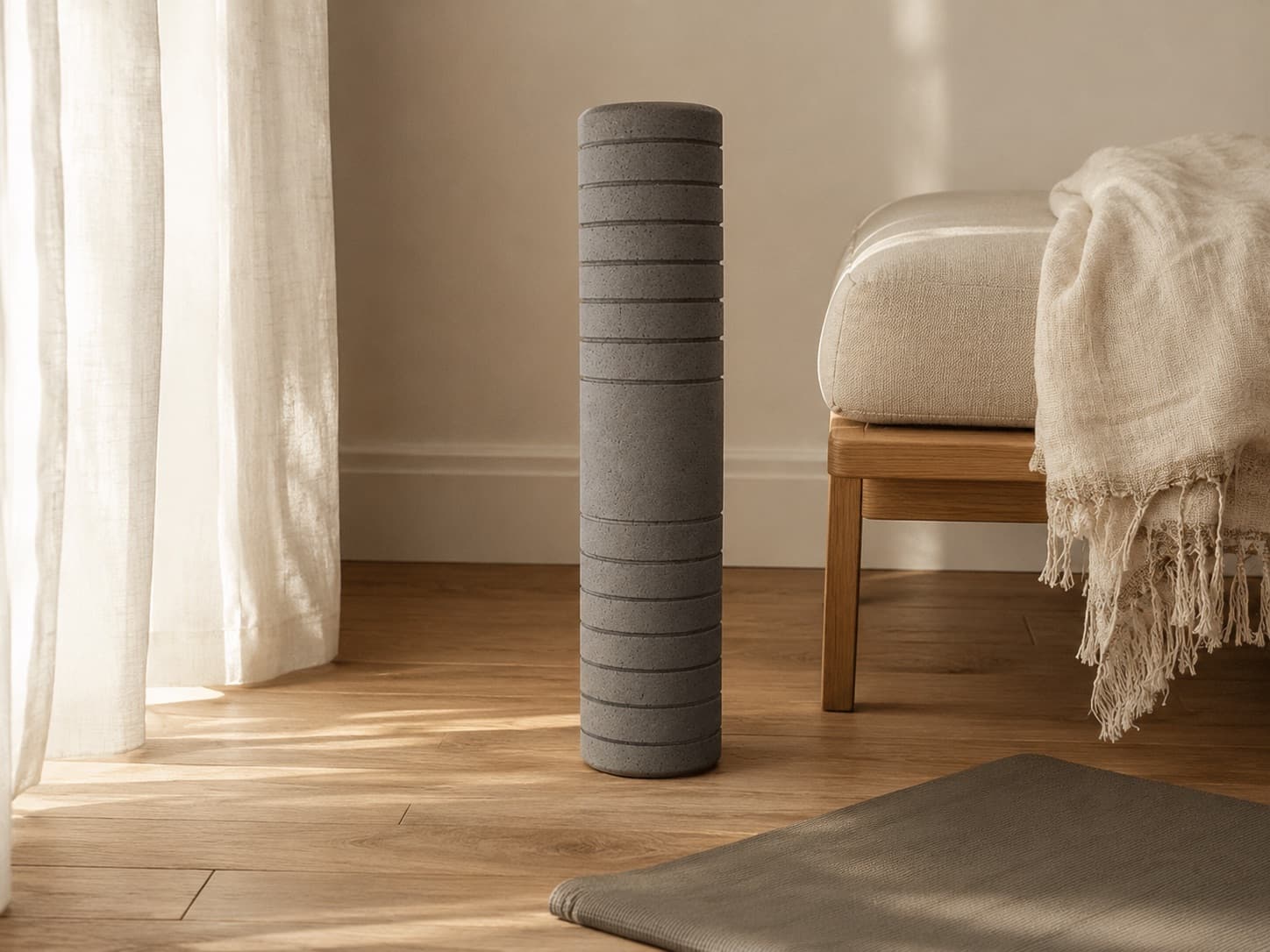
Training culture has a bias toward output. The visible effort, the session logged, the miles run, the weight moved, is what gets celebrated. Rest is treated as the absence of training, a gap in the record, something to minimize rather than maximize. This framing is wrong, and it costs athletes real progress.
What Overtraining Actually Looks Like
Overtraining syndrome, the clinical version, is rare. Most athletes never reach it. But functional overreaching, its precursor, is extremely common and rarely identified correctly. The symptoms are non-specific: persistent fatigue that doesn't resolve with a rest day, declining performance despite consistent training, elevated resting heart rate, poor sleep quality, increased irritability.
Because the symptoms look like life stress, they're often attributed to life stress. The training volume continues. The body never fully recovers between cycles. Performance stays flat or declines, which produces the conclusion that more training is needed. This is the overreaching trap: the intervention that caused the problem looks like the solution.
Rest Is a Training Stimulus
Deload weeks, structured periods of reduced training volume, produce measurable performance improvements. Strength athletes typically add weight to their lifts in the week after a deload. Endurance athletes show improved pace at equivalent heart rates after a recovery week. The body was ready to adapt; it just needed the training stress to reduce enough for adaptation to occur.
This is counterintuitive but well-documented: the training session creates the stimulus, and the rest period is where the adaptation happens. You don't get stronger during the lift. You get stronger during the recovery from it. More frequent, higher-volume training only produces better outcomes up to the point where recovery keeps pace. After that point, more training produces less adaptation.
The Quality of Rest Matters
There's a difference between passive rest, which is sitting on a couch doing nothing, and active recovery: low-intensity movement, tissue work, deliberate sleep, nutrition. Both have their place, but active recovery typically produces better outcomes because it maintains circulation and tissue mobility without adding training stress.
A short walk, 10 minutes of rolling, a long sleep: these are not substitutes for doing nothing. They're recovery work. The reframe that matters: rest days are not days off from your training goals. They're days where different work is being done in service of the same goals.
Permission to Stop
The practical version of this is simple: schedule rest, protect it the way you protect training, and resist the urge to fill it with compensatory activity. If you took a rest day and felt the urge to make up for it with extra training the next day, you haven't recovered. You've just deferred the discomfort of slowing down.
The athletes who train for decades without losing the ability to do what they love are, almost universally, the ones who learned to rest with intention. They didn't arrive at that through discipline alone. They arrived at it by learning, often through injury, that the body operates on its own timeline, and fighting that timeline is expensive.
Slowing down isn't a concession. It's how you stay in the game.
References
Written by

Sōmavel Editorial
Practitioners, movement specialists, and material researchers writing on the practice of recovery, and the materials and rituals that make it last.